Why Onsite Calibration Matters
Have you ever before had a tool beginning breaking down in the middle of a vital production run? Possibly a flow meter starts offering odd analyses, or a solidity tester wanders out of specification. That's where onsite calibration can be found in-- saving you from unanticipated downtime and ensuring your measurements stay accurate.
Onsite calibration suggests bringing the calibration lab to your facility. As opposed to product packaging up delicate instruments and shipping them off-- high-risk and taxing-- you get an experienced professional that travels to your website, equipped with recommendation standards and all the gear needed to adjust your tools.
Typical Instruments for Onsite Calibration
Flow Meters
Circulation meters play an essential duty in industries from water treatment to chemical handling. If a meter begins under-reading, you may overdose additives; if it over-reads, you lose important item. During onsite calibration, a technician links a primary criterion, contrasts results at several circulation points, and readjusts the meter's electronics. This hands-on approach promptly brings back accuracy without sending your process offline for days.
Firmness Testers
On the shop floor, solidity testers make certain metal components meet toughness demands. Picture identifying a bad set of shafts only after setting up-- a pricey error. When a technician gets here, they bring qualified test obstructs representing various Rockwell or Brinell scales. By validating readings versus these blocks, they can tweak the tester's indenter force and dial settings. The result? Trustworthy analyses that shield your parts from failing.
Various Other Vital Instruments
While flow meters and hardness testers frequently get the spotlight, onsite calibration can cover a wide series of tools:
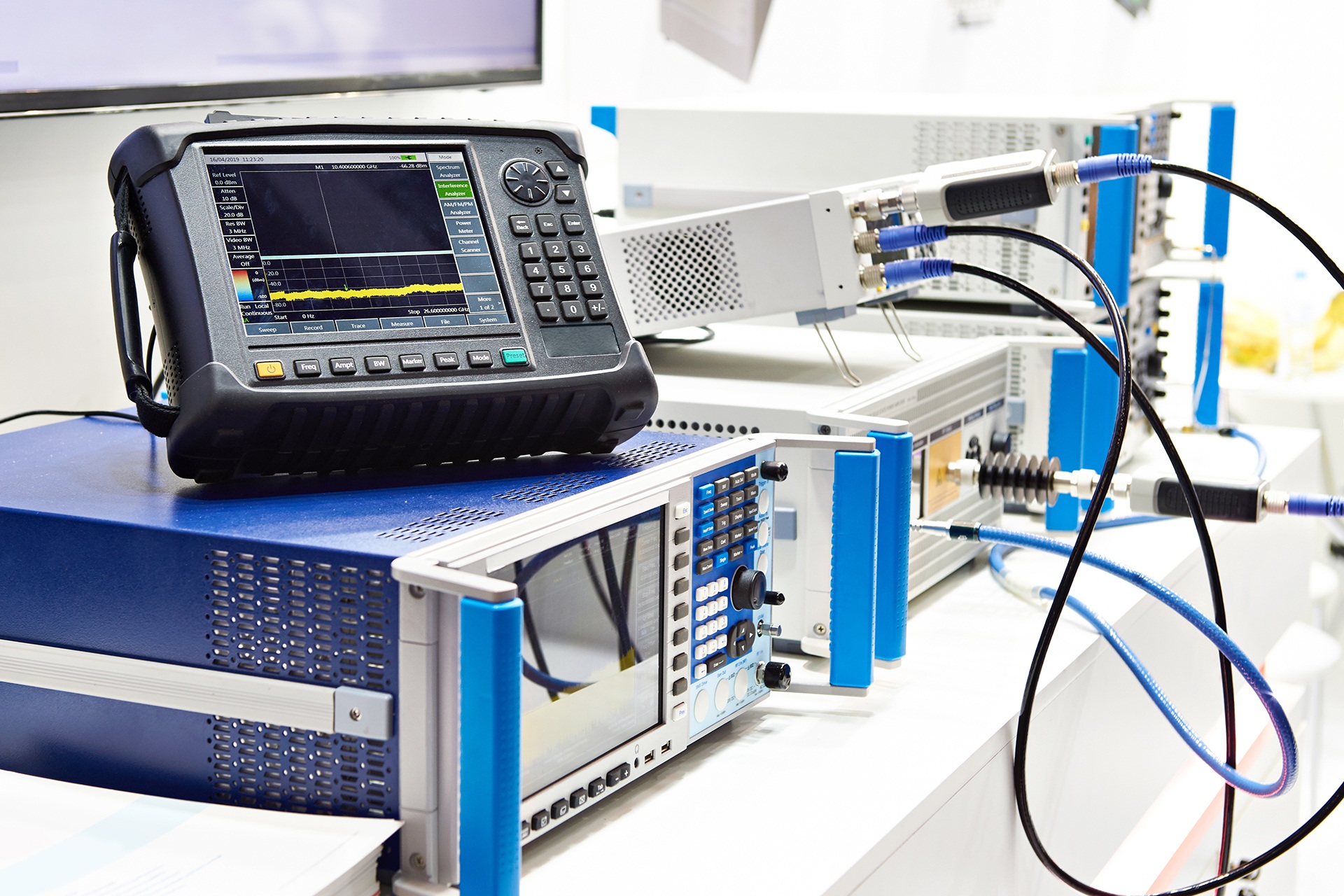
- Pressure assesses and transducers-- essential for secure operation in chemical and oil-and-gas plants Temperature probes and sensors-- making certain ovens, reactors, and fridges freezer perform at the best set factors Dampness analyzers-- keeping hygroscopic materials like powders and granules within specification Torque wrenches and torque wrenches-- preventing under- or over-tightening in auto and aerospace assemblies Nondestructive screening equipment-- verifying weld stability with ultrasonic or magnetic fragment methods
Benefits of Calibrating Onsite
When you bring a calibration solution to your doorstep, a number of benefits spring up:
1. Decreased Downtime: Sending a tool out for service can indicate days or weeks without it. Onsite calibration usually wraps up in hours, not weeks.
2. Real-World Conditions: Calibration performed under the same temperature level, humidity, and pressure conditions as your production setting causes much more reputable results. A laboratory's climate-controlled setting might not duplicate your plant's fluctuations.
3. Immediate Troubleshooting: If a sensor or scale refuses to meet specifications, a specialist can frequently fix or change components right away-- no waiting on return deliveries.
4. Compliance and Traceability: Onsite calibration fulfills ISO and ISO/IEC 17025 needs. You receive certificates traceable to national requirements, so audits ended up being less difficult.
Action in an Onsite Calibration Service
While each instrument has its very own treatment, many onsite calibration solutions follow a general circulation:
1. Pre-Visit Assessment: The company requests for a list of instruments, existing certifications, and any kind of recognized problems.
2. Onsite Verification: Technicians inspect the tool's serial number, inspect for damage, and allow the device warm up so readings support.
3. Reference Comparison: The tool is contrasted versus a deducible criterion-- whether a piston prover for a circulation meter, a deadweight tester for stress, or licensed blocks for firmness testing.
4. Modification and Calibration: Using the reference values, the service technician changes screws, software offsets, or mechanical components until the instrument reviews within tolerance.
5. Documentation: A comprehensive certification files the as-found and as-left values, environmental conditions (temperature, moisture, stress), and any fixings done.
Actual Stories: Onsite Calibration at work
Allow me inform you concerning a plant manager called James who faced an abrupt spike in denied components. His hardness tester was reading also soft, causing him to pull twice as several examples as usual. Rather than halt production, he asked for onsite calibration. Within half a day, the professional had actually identified a used plug gage calibration emlcalibration.com indenter idea and changed it. James went from a 15% scrap price pull back to 2%, all without shipping a solitary part offsite.
In one more situation, a food handling center observed irregular fill volumes on their product packaging line. The offender? A misaligned circulation meter. An onsite see revealed a clogged orifice impacting the meter's fragment circulation account. A quick tidy and recalibration recovered precise loads, and the line was back up in under 4 hours.
Choosing a Reliable Partner for Instrument Calibration
Onsite calibration is only comparable to the team behind it. Look for a service provider with:
- Accreditations to ISO/IEC 17025 Specialists experienced with your specific equipment brands Clear pricing-- no surprise travel or downtime fees Quick response times to minimize functional influence
For many organizations, EML Calibration ticks all these boxes. Their nationwide network of competent professionals focuses on whatever from tool calibration for temperature and stress tools to nondestructive screening configurations. Connect to them as a resource when your group needs trusted, instant calibration services.
Finishing up
Onsite calibration isn't simply a benefit-- it's a strategic asset. By keeping your flow meters, solidity testers, torque wrenches, and various other essential tools in leading shape without lengthy shipping cycles, you guard item quality, lower unexpected downtime, and preserve compliance with sector standards. Think about it as precautionary maintenance for your measurement fleet, customized to the real problems on your production line.
Following time an instrument drifts out of specification, bear in mind: the option might be just a solution call away.
Name: EML Calibration
Address: 998 Elm Hill Pike, Nashville, TN 37210, United States
Phone: (888) 846-4614
Website: https://www.emlcalibration.com/